
For many companies, the incentive to hire women is low; if hired, women run the risk of having to take time off for pregnancy or childcare, eventually seemingly at a cost to the company. These women are disproportionally hired or paid less compared to men and childless women. However, women — and especially women with children — are the ones preforming most unpaid labor, frequently terminating their paid jobs in order to do so. Although many women perform these tasks without complaints or expectations of reciprocity, this unbalanced allocation of household responsibilities leads to a range of health problems for women.
Why is it important to distinguish household responsibilities as unpaid labor?
The “second shift” as described by Arlie Hochschild highlights the importance of distinguishing household responsibilities as unpaid labor. This is the experience in which working women come home after a full day of paid professional commitments to more domestic work. In the past, the nuclear family called for stay-at-home mothers to perform the housework, while fathers provided financially. Even now that women have entered the workforce and are also contributing to the financials of the family unit, the dynamic has not really shifted to accommodate this. Very few American corporations offer support or paid time off for those that perform the bulk of household tasks or childcare, and the government similarly has not intervened to help galvanize change. This is what is referred to as “the Stalled Revolution,” the reluctance to shift society, the job market, and the household toward equal distribution of female-dominated responsibility (Hochschild, 2012). By identifying care and unpaid domestic labor, we can put value toward them and truly begin the revolution at home.
This virtually-24/7 structure of constant, disproportionate labor takes a psychological and physical toll on women worldwide. In a study of the impact of the division of housework, the lower contribution from males partly explain discrepancies in depression by gender (Bird, 1999). With higher unpaid work hours, women were more likely to experience distress. Wanna know more about just how much unpaid labor affects women’s health? Click here!
Conflict theory has explanations for why this works for society.
The services that are considered to be unpaid labor are often necessary and valuable tasks to perform. Someone must take care of the kids. Someone must cook for the family. Despite this, the focus on growing economically leads to more unpaid labor. In some modern cultures, even in America — people outside of the home could perform domestic household services and be compensated. For example, affluent families in various countries may hire caregivers to care for elderly family members and nannies for their children, chefs to cook their meals, and maids to maintain household cleanliness.
Historically these tasks have always been forced upon grossly under-compensated, vulnerable individuals. Today, in homes where this labor must be performed by unpaid family members, this work isn’t fairly or randomly distributed — it is keenly targeted toward female members of the household, and upheld by coercion and power structures that exist even when compensated (Pupo & Duffy, 2012). Though housework and care is important and valuable, its devaluation is key to maintaining power structures. This is the reason for the reluctance to shift toward more equal distribution. In the face of a global economic crisis, we saw the ways in which power systems thrive on women’s contributions. Click here for a more detailed look!
Feminist theory also gives a bit of insight.

Feminist theory attempts to illuminate how gender inequality is perpetuated in society. With centuries of discrimination toward the woman in the patriarchal world, the household magnifies its roots. In my family dynamic, I performed much of the domestic labor — cleaning the floors, washing everyone’s dishes, and caring for family members being a few among many expectations — and was even punished for missing a beat. This experience certainly socialized me to take on this role in my various living situations. During my runs with living in a mixed gender household with non-relative housemates, my female roommates and I naturally performed all of the cleaning on the daily. Later, my male housemates admitted to never really cleaning at all unless they received direct requests, except for one.
This was not a rare occurrence; several female friends in both similar and vastly different situations expressed that they did the bulk of the housework as well. My working friends in heterosexual relationships who cohabitated with their working partner saw the same dynamic. The men had the tendency to believe figured the work would be done somehow, the women were acutely aware that if they did not take care of the household, it would never be done. When removing the familial aspect, the gendered nature of unpaid domestic labor becomes loud and clear.
Real change is happening around the world today.
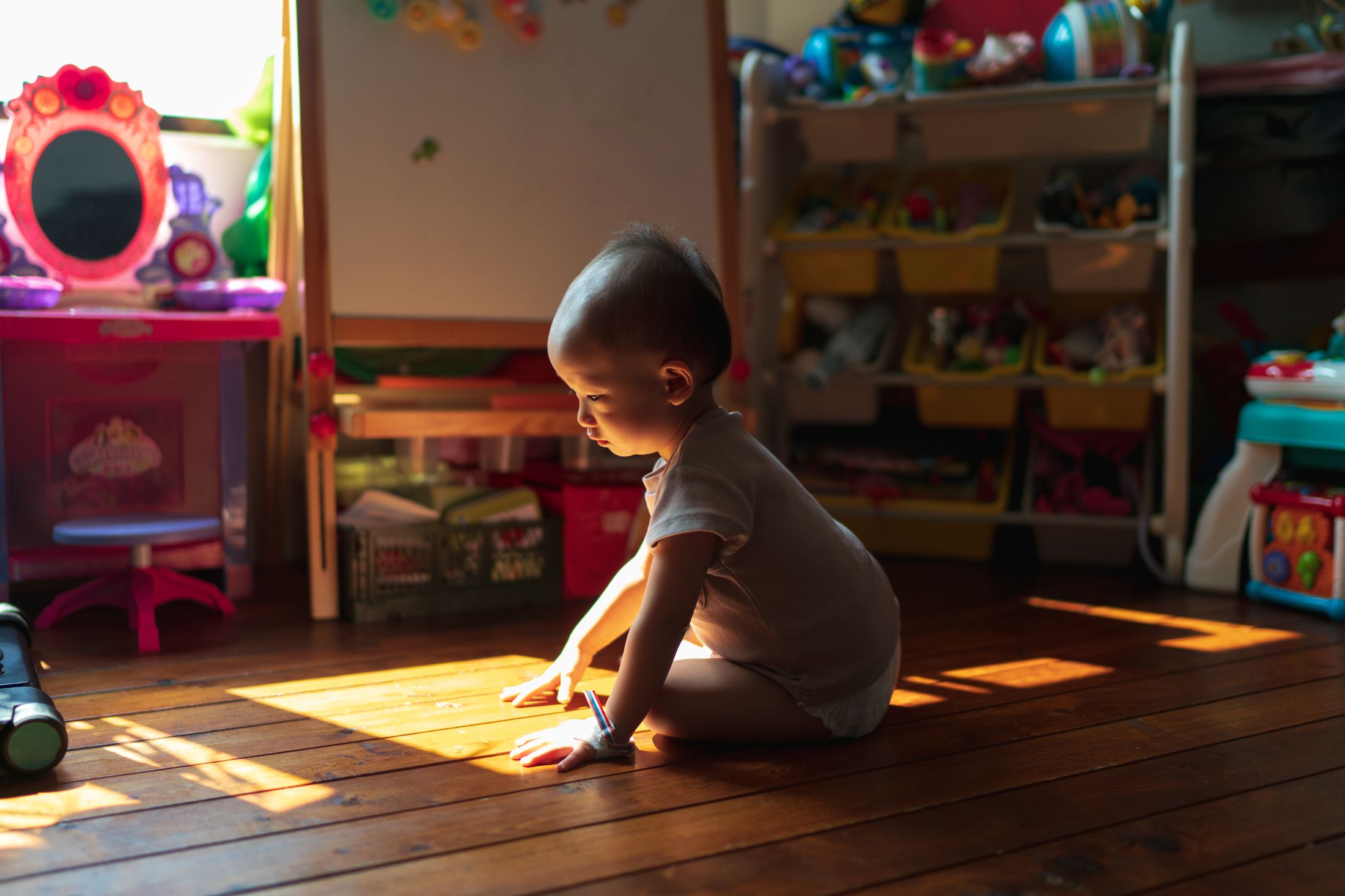
The Stalled Revolution is not plaguing all countries. In Uruguay, caretaking and unpaid labor have found its representation in legislature. This is through the Uruguay Care Act: children, elderly, and others that may need extra support — such as those with disabilities — have the right to access care. By valuing unpaid labor and reframing “care” as a human right that extends beyond the family unit, this in turn redistributes and reduces the gendered expectations of care (Soledad, 2019). Hopefully, universalizing care means that women can continue to work in their paid jobs without the fear of leaving their family members unattended. This is only the first of many steps toward reducing gender stereotypes in the household. If you’d like to read more on Uruguay’s action to break gender stereotypes in domestic work, click here!
Some final thoughts…
Through this post, I hope to cast some understanding upon the causes and impacts of the gendered expression of household labor. Though the reluctance to address this and shift the dynamic is certainly present in our society, some places are working toward creating equity in the household and in care. This should not only benefit the wellbeing of women, but improve the standard of care for children, elders, and those with disabilities.
References
Hochschild, A., & Machung, A. (2012). The second shift: Working families and the revolution at home. Penguin.
Bird, C. E. (1999). Gender, household labor, and psychological distress: The impact of the amount and division of housework. Journal of Health and Social behavior, 32-45.
Norene Pupo, & Ann Duffy. (2012). Unpaid work, capital and coercion. Work Organisation, Labour & Globalisation, 6(1), 27–47. https://doi.org/10.13169/workorgalaboglob.6.1.0027
Soledad, S. (2019). The National Integrated System of care in Uruguay: An opportunity for the economic empowerment of women. UN Women. https://lac.unwomen.org/en/digiteca/publicaciones/2019/10/sistema-nacional-de-cuidados-oportunidad-empoderamiento-uruguay
 Sociology of Family